



Skip to content
Person with long brown hair touches their neck, wearing a white top, as seen in natural pain relief ads.

The Complete Beginner’s Guide To PEA by The Well Theory

PEA (palmitoylethanolamide) is a naturally occurring fatty acid your body already produces to regulate pain and inflammation. It works by calming the cells surrounding nerve endings rather than blocking pain signals the way ibuprofen or opioids do. Over a dozen randomized controlled trials support its use for chronic pain, neuropathic pain, and inflammatory conditions, with no significant side effects reported across the clinical literature.

What Is PEA?

Palmitoylethanolamide belongs to a family of biologically active fats called N-acylethanolamines. Your body makes it on demand inside the lipid bilayer of cells, releasing it as a first-response anti-inflammatory when tissue is stressed or injured. It has a short half-life, meaning it’s metabolized quickly once the job is done.

The problem is that chronic pain and inflammation can outpace the body’s ability to produce enough PEA to keep up. Supplementing at clinical doses restores what the body is trying to do on its own.

PEA is related to the same molecular family as anandamide, the compound most affected by CBD. But it works through different pathways and does not produce any psychoactive effects.

The Surgeon’s Perspective “I started researching PEA because my patients needed something between ibuprofen and a prescription. What I found was a compound the body already knows how to use, with a safety profile I was comfortable recommending and a mechanism that made sense to me as a surgeon. It’s not a painkiller. It’s more like giving the body back a tool it was already reaching for.” — Dr. Meredith Warner, MD

HI, DR. MEREDITH WARNER HERE

I discovered palmitoylethanolamide (PEA) during my quest to improve my knowledge and applications of natural remedies for my patients, my family, and myself.

PEA is one molecule in a family of natural and endogenous fatty acids (meaning that they exist within the human body) that act on a variety of receptors. PEA is of the same family that anandamides are, or the neurotransmitters that are affected by CBD.

PEA, along with oleoylethanolamide (OEA) and other N-acylethanolamines (NAEs), are biologically active lipids. PEA is a strong and natural anti-inflammatory and is essentially devoid of unwanted effects in humans. It is also useful for treating eczema, controlling pain, and preventing neurodegeneration among other benefits.

PEA is naturally present within human beings and is produced on demand in the lipid bilayer of cells. It has a short half-life and is metabolized when not needed. When taken orally, it has a high volume of distribution throughout the body and is especially effective in the brain and for nervous tissues.

PEA is found in high levels during several inflammatory and painful disorders due to its innate anti-inflammatory activities. It basically functions as an internal regulator of pain.

How PEA Works A Natural Option For Pain + Inflammation Relief

PEA in all available clinical trials produces significant pain relief without any side effects. This is true for pain intensity in patients with chronic pain and/or neuropathic pain, too.

PEA acts mostly on non-neuronal cells of the nervous system. Current thinking in chronic and neuropathic pain targets these cells as they are most responsible for the actual sensation of pain. This is sometimes called gliopathic pain or asteropathic pain.

It has been discovered that mast cells are particularly active around peripheral nerve endings in the pain situations. PEA downregulates the inflammatory and stimulatory activities of the mast cells. Peripheral mast cells are pro-nociceptive (pain-perceiving). PEA is anti-nociceptive (blocks pain perception). PEA targets receptors and cellular activities that are not traditional to common pain medications.

PEA is a cannabimimetic compound, meaning PEA works with cannabinoid receptors within the body. It is also known as an indirect endocannabinoid.

PEA should be a daily supplement to enhance the activities of the family of lipids to which it belongs. PEA is natural and is normally produced by the human body. Most of us are likely deficient. PEA is an indirect endocannabinoid and as such plays an important role in the endogenous regulatory system of the endocannabinoids.
How To Use PEA

PEA is naturally analgesic (anti-pain), anti-inflammatory, and will downregulate mast cells’ activities and thus protect peripheral nerve endings. PEA is great for the brain and acts on the support cells such as the glial cells and astrocytes.
What the Research Shows

A 2016 meta-analysis published in Pain Physician reviewed 12 clinical trials involving over 1,000 patients and found that PEA produced significant reductions in pain intensity compared to placebo across multiple chronic pain conditions, with no major adverse effects reported. [Citation: Artukoglu BB, et al. Pain Physician, 2017 — meta-analysis of PEA efficacy]

Conditions with the strongest clinical evidence include:

  • Diabetic neuropathy
  • Sciatica and lower back pain
  • Fibromyalgia
  • Carpal tunnel and tarsal tunnel syndrome
  • Chronic pelvic pain and primary dysmenorrhea
  • Post-operative pain
  • Osteoarthritis

PEA has also shown meaningful results for migraine frequency, multiple sclerosis-related pain, and inflammatory bowel conditions, though evidence in those areas is more preliminary.

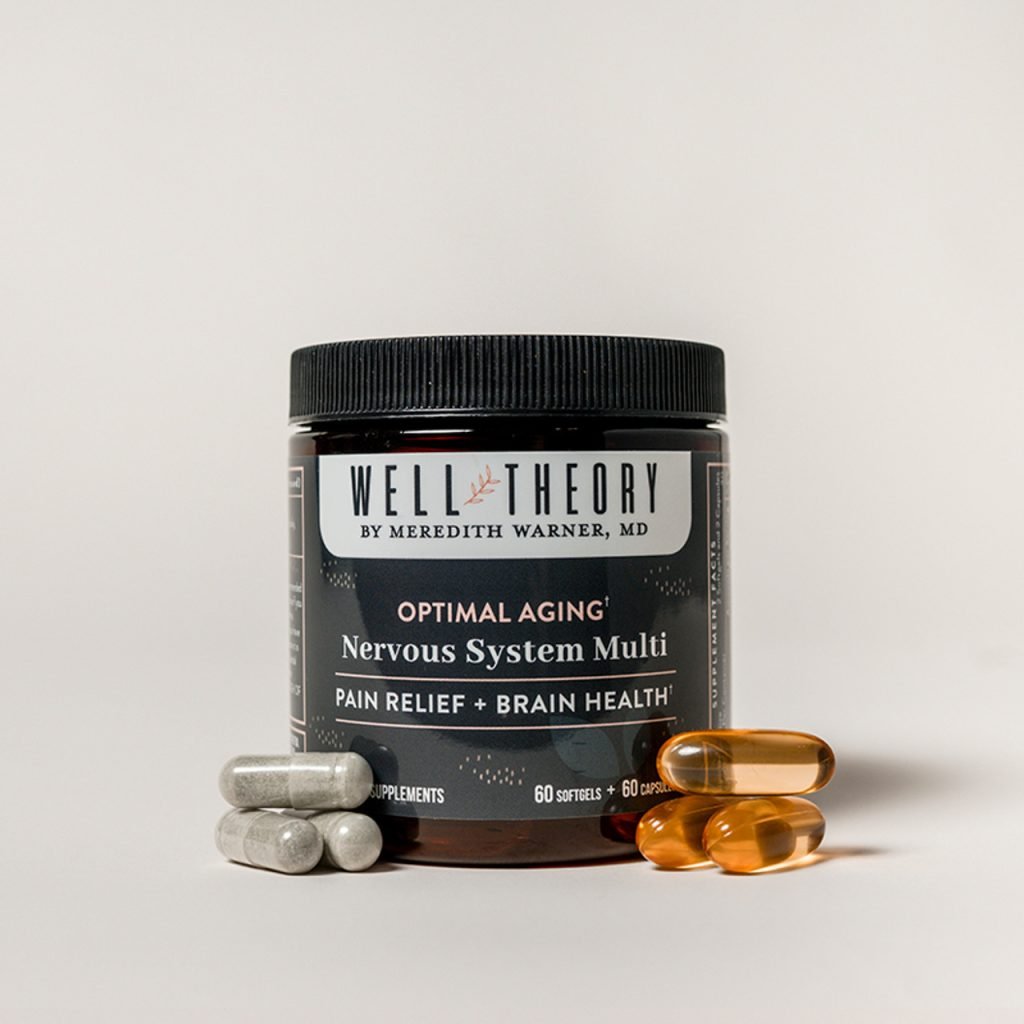
Nervous System Multivitamin: Omega 3, PEA, Resveratrol, Green Algae, NAC
$64.00

Dr. Warner formulated this for patients who needed more than a single-ingredient approach to nerve pain. Six clinically studied ingredients targeting neuroinflammation, oxidative nerve damage, and cellular energy in one daily protocol.

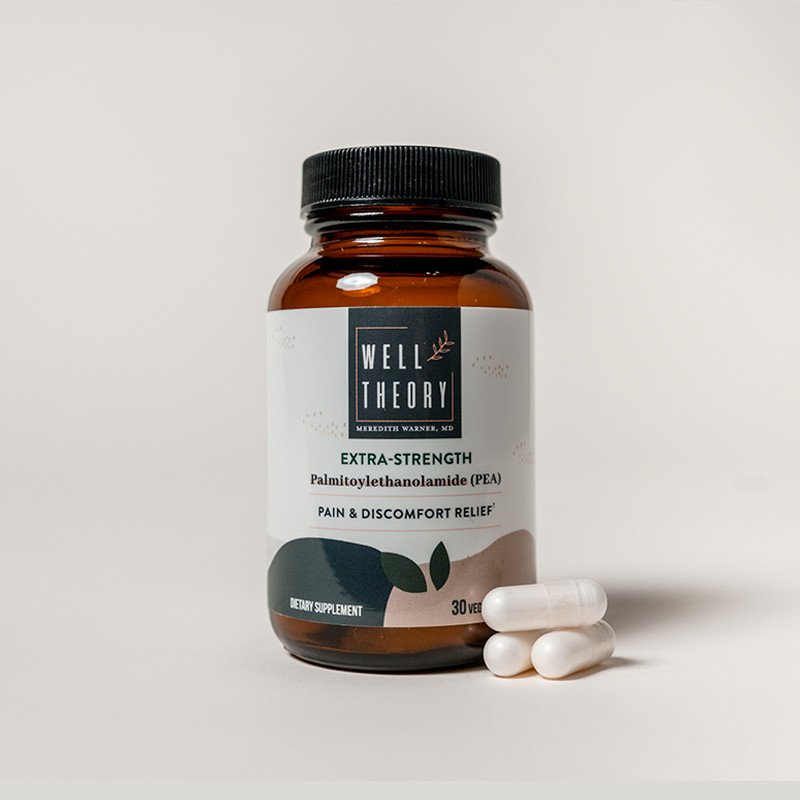
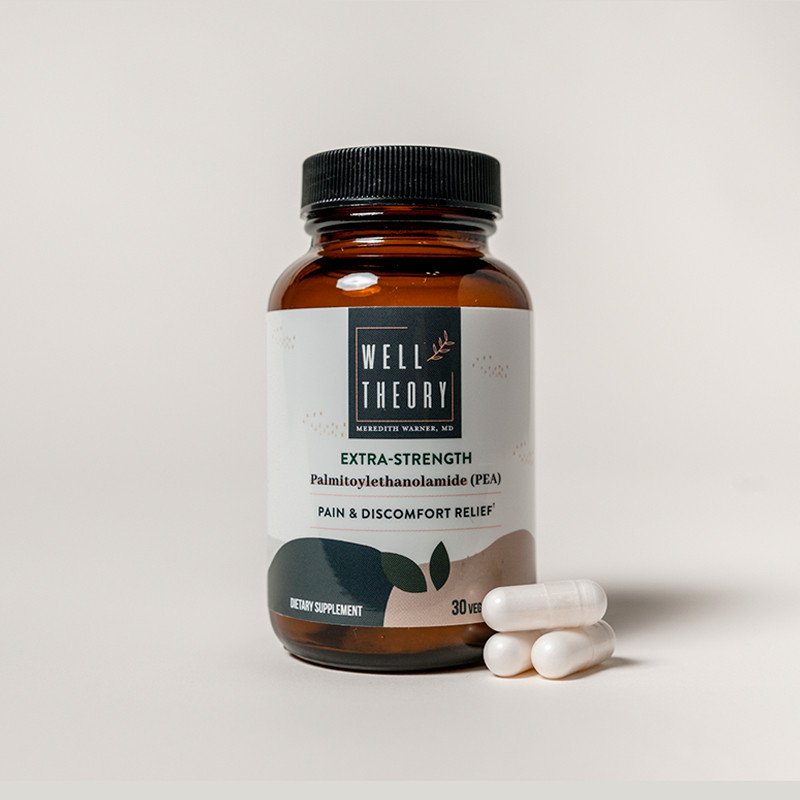
Palmitoylathanolamide (PEA) – 600mg

A brown "Well Theory Extra-Strength PEA" bottle sits by four white capsules on a light background.
$34.00

If you do not have enough PEA, you will lack the full regulatory ability of the endocannabinoid system. This means that all other systems in your body will lack balance.

PEA(PALMITOYLETHANOLAMIDE) – 550 mg

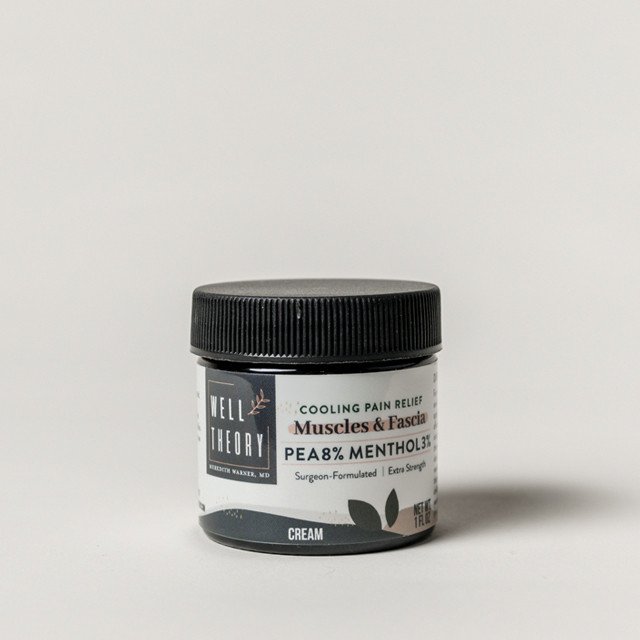
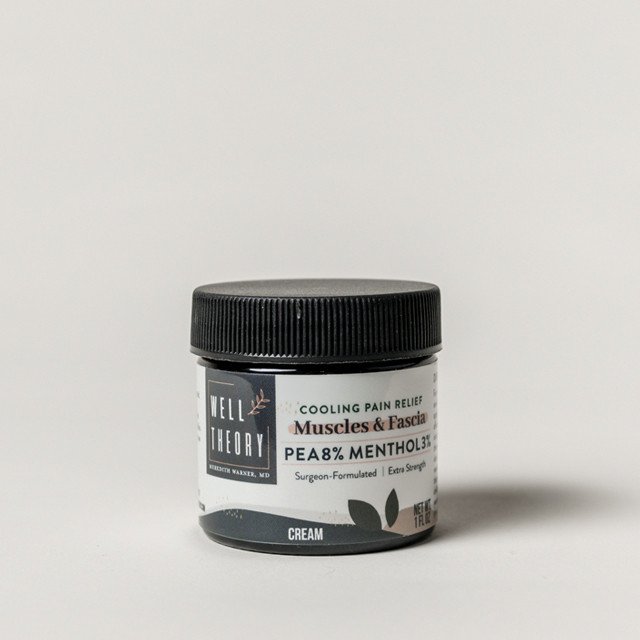
A small jar of Well Theory cooling pain relief cream with PEA 8% and menthol 3% for muscles and fascia.
$29.95

Dr. Warner’s new pain relief body cream helps relax and recover myofascial tissues, improve the range of motion of ligaments and muscles and cool away the pain with the deep, penetrating power of PEA, turmeric, anti-inflammatory Essential Oils, and Menthol.

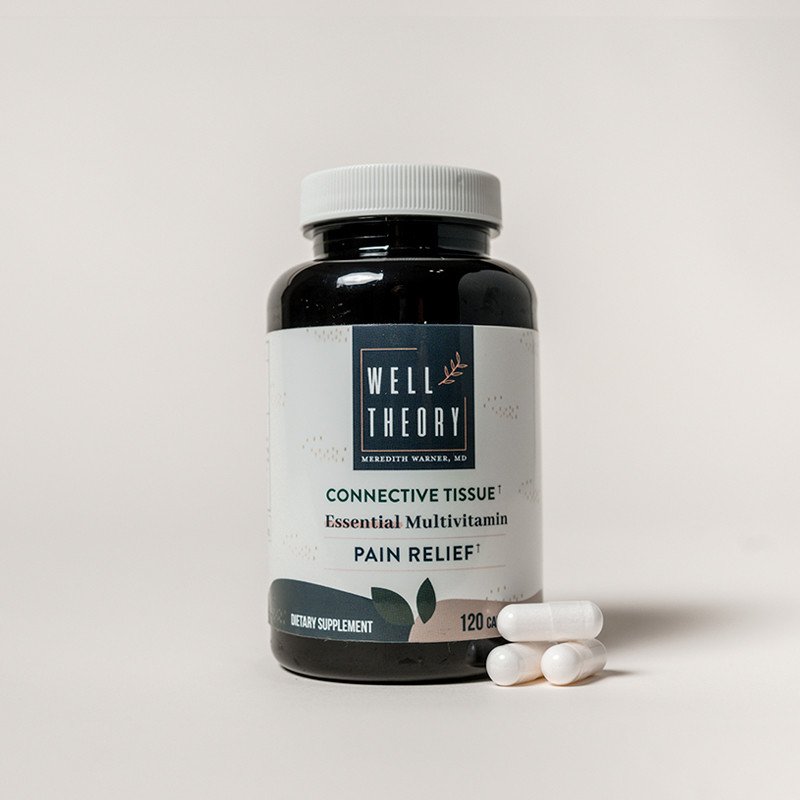
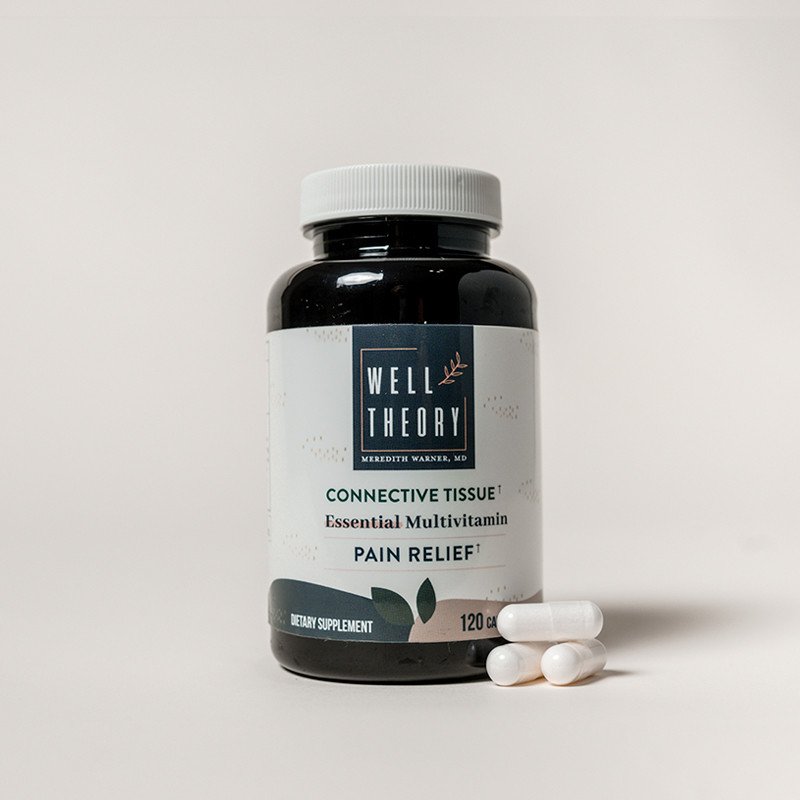
Well Theory Connective Tissue Essential Multivitamin bottle with three white capsules on a plain surface.
$29.95

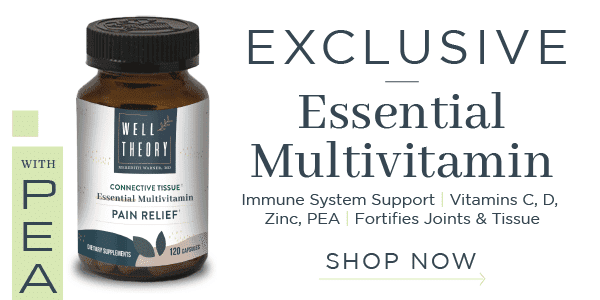
Our Orthopedic Surgeon-Formulated Multivitamin with PEA is very effective and safe to use as a supplement for improved nutrition, pain reduction, and anti-inflammatory support – to relieve and restore at the source.

PEA may help control pain in these conditions:

  • Injury
  • Intestinal inflammation
  • Chronic migraine
  • Neuropathic pain
  • Cerebral ischemia
  • Multiple Sclerosis (MS)
  • Sciatica
  • Post-laminectomy syndrome
  • Fibromyalgia
  • Rheumatoid arthritis
  • Diabetic neuropathy
  • Post-operative pain
  • TMJ pain from arthritis
  • Arthritis pain
  • Lower Back Pain (LBP)
  • Nerve-mediated pain like carpal tunnel and tarsal tunnel
  • Primary dysmenorrhea

PEA vs. CBD: What’s the Difference?

This is one of the most common questions, and it’s worth answering directly.

Both PEA and CBD are part of the endocannabinoid system, and both have anti-inflammatory and pain-modulating effects. But they work through different receptors and pathways.

CBD primarily influences CB1 and CB2 cannabinoid receptors indirectly and has a broader systemic effect. PEA works more specifically on PPAR-alpha receptors and mast cell activity, with particular relevance to nerve and tissue inflammation.

They are not interchangeable, and for many patients they are complementary. PEA does not produce any of the psychoactive effects associated with THC and is not derived from cannabis.

PEA vs. NSAIDs

NSAIDs like ibuprofen and naproxen work by blocking COX enzymes, which reduces prostaglandin production and dampens the inflammatory response systemwide. They’re effective for short-term acute pain but carry cardiovascular, gastrointestinal, and kidney risks with prolonged use.

PEA does not inhibit COX enzymes. It doesn’t carry those systemic risks, and it doesn’t mask pain by blunting a broad inflammatory pathway. It targets the specific cellular activity responsible for pain amplification in nerve tissue.

For people who take NSAIDs daily just to get through the day, PEA represents a fundamentally different approach to the same problem.

Dosing: How Much PEA Should You Take?

The dose used consistently in clinical trials is 600mg per day, taken as a single dose or split into two 300mg doses. Some studies used 1200mg for more severe conditions, but 600mg is the standard evidence-based starting point.

PEA is fat-soluble, so taking it with food improves absorption. Micronized or ultramicronized forms (where the particle size is reduced) have better bioavailability than standard PEA.

The Surgeon’s Perspective “I use 600mg as my clinical baseline. What I tell patients is to be consistent for at least 60 days before evaluating whether it’s working. PEA is not an acute pain reliever. It works over time by changing the inflammatory environment, not by blocking a signal.” — Dr. Meredith Warner, MD

Frequently Asked Questions

Is PEA safe to take long term? Across all available clinical trials, PEA has shown no significant adverse effects at standard doses. It does not accumulate in the body and is metabolized normally. There are no documented drug interactions in the current literature, though as with any supplement, consulting your physician before starting is advisable.

Can you take PEA with other supplements? Yes. PEA is frequently combined with luteolin, a flavonoid that enhances PEA’s activity on mast cells and glial cells. The combination has been studied and shows greater effect than PEA alone. [Citation: Skaper SD, et al. CNS Neuroscience & Therapeutics, 2012 — PEA and luteolin synergy]

Does PEA show up on a drug test? No. PEA is not a cannabinoid and does not contain THC. It will not trigger a positive result on standard drug screening.

Can I take PEA if I’m already on medication? PEA does not interact with COX enzyme pathways, opioid receptors, or the liver enzymes most commonly involved in drug metabolism. That said, anyone managing a chronic condition with prescription medications should discuss new supplements with their prescribing physician.

Find Natural Relief With The Full Line Of Dr. Warner’s Well Theory Products

For these reasons, PEA is the essential ingredient in many of our products. Our Well Theory product line as a whole is designed to help you live life better – with less pain, better health, and a vibrancy that radiates from within.


Written by Meredith Warner, MD | Board-Certified Orthopedic Surgeon | Founder, The Well Theory


HI, DR. MEREDITH WARNER HERE

I discovered palmitoylethanolamide (PEA) during my quest to improve my knowledge and applications of natural remedies for my patients, my family, and myself.

PEA is one molecule in a family of natural and endogenous fatty acids (meaning that they exist within the human body) that act on a variety of receptors. PEA is of the same family that anandamides are, or the neurotransmitters that are affected by CBD.

PEA, along with oleoylethanolamide (OEA) and other N-acylethanolamines (NAEs), are biologically active lipids. PEA is a strong and natural anti-inflammatory and is essentially devoid of unwanted effects in humans. It is also useful for treating eczema, controlling pain, and preventing neurodegeneration among other benefits.

PEA is naturally present within human beings and is produced on demand in the lipid bilayer of cells. It has a short half-life and is metabolized when not needed. When taken orally, it has a high volume of distribution throughout the body and is especially effective in the brain and for nervous tissues.

PEA is found in high levels during several inflammatory and painful disorders due to its innate anti-inflammatory activities. It basically functions as an internal regulator of pain.


How PEA Works A Natural Option For Pain + Inflammation Relief

PEA in all available clinical trials produces significant pain relief without any side effects. This is true for pain intensity in patients with chronic pain and/or neuropathic pain, too.

PEA acts mostly on non-neuronal cells of the nervous system. Current thinking in chronic and neuropathic pain targets these cells as they are most responsible for the actual sensation of pain. This is sometimes called gliopathic pain or asteropathic pain.

It has been discovered that mast cells are particularly active around peripheral nerve endings in the pain situations. PEA downregulates the inflammatory and stimulatory activities of the mast cells. Peripheral mast cells are pro-nociceptive (pain-perceiving). PEA is anti-nociceptive (blocks pain perception). PEA targets receptors and cellular activities that are not traditional to common pain medications.

PEA is a cannabimimetic compound, meaning PEA works with cannabinoid receptors within the body. It is also known as an indirect endocannabinoid.

PEA should be a daily supplement to enhance the activities of the family of lipids to which it belongs. PEA is natural and is normally produced by the human body. Most of us are likely deficient. PEA is an indirect endocannabinoid and as such plays an important role in the endogenous regulatory system of the endocannabinoids.

essential multivitamin shop now

How To Use PEA

PEA is naturally analgesic (anti-pain), anti-inflammatory, and will downregulate mast cells’ activities and thus protect peripheral nerve endings. PEA is great for the brain and acts on the support cells such as the glial cells and astrocytes.

PEA (Palmitoylethanolamide): Pain Relief Without NSAIDS
$
34.00
$


If you do not have enough PEA, you will lack the full regulatory ability of the endocannabinoid system. This means that all other systems in your body will lack balance.

PEA is a natural way to produce many of the same effects as CBD.
 
Pain Relief + Recovery Cream: PEA, Menthol, Turmeric, Rosehip, 1oz
$
29.95
$
 
 
Dr. Warner’s new pain relief body cream helps relax and recover myofascial tissues, improve the range of motion of ligaments and muscles and cool away the pain with the deep, penetrating power of PEA, turmeric, anti-inflammatory Essential Oils, and Menthol.
 
Essential Joint & Tissue Support: PEA, C, D, Zinc, Magnesium
$
29.95
$


Our Orthopedic Surgeon-Formulated Multivitamin with PEA is very effective and safe to use as a supplement for improved nutrition, pain reduction, and anti-inflammatory support – to relieve and restore at the source.

 
PEA may help control pain in these conditions:
  • Injury
  • Intestinal inflammation
  • Chronic migraine
  • Neuropathic pain
  • Cerebral ischemia
  • Multiple Sclerosis (MS)
  • Sciatica
  • Post-laminectomy syndrome
  • Fibromyalgia
  • Rheumatoid arthritis
  • Diabetic neuropathy
  • Post-operative pain
  • TMJ pain from arthritis
  • Arthritis pain
  • Lower Back Pain (LBP)
  • Nerve-mediated pain like carpal tunnel and tarsal tunnel
  • Primary dysmenorrhea

Purposefully-Paired All-Natural Ingredients

Realizing the potential of PEA in natural anti-inflammatory recovery, Dr. Warner has developed Well Theory products exclusively for our sister company, The Healing Sole.

The essential PEA multivitamin, stand-alone PEA supplement, Joint Health Multi with PEA, Pain Relief + Recovery Cream, and pain-relieving foot cream from Well Theory has been purposefully-crafted by Dr. Meredith Warner to relieve pain naturally, effectively, and quickly.

The ingredients combined within these products work together to regulate homeostasis, reduce inflammation, and support stronger, healthier muscles.


Find Natural Relief With The Full Line Of Dr. Warner’s Well Theory Products

For these reasons, PEA is the essential ingredient in many of our products. Our Well Theory product line as a whole is designed to help you live life better – with less pain, better health, and a vibrancy that radiates from within.

Dr. Meredith Warner, Orthopedic Surgeon
ABOUT THE AUTHOR

Dr. Meredith Warner is the creator of Well Theory and The Healing Sole. She is a board-certified Orthopedic Surgeon and Air Force Veteran.

She is on a mission to disrupt traditional medicine practices and promote betterment physically, spiritually and mentally to many more people. She advocates for wellness and functional health over big pharma so more people can age vibrantly with more function and less pain.

At Well Theory, Our surgeon-designed products are FDA Registered and formulated to help people:

  • Manage the symptoms of musculoskeletal pain
  • Recover vibrantly from orthopedic related surgeries
  • Fill the gaps in our daily diets
  • Manage pain associated with inflammation

SHOP NOW


Healing Redefined by Dr. Meredith Warner

Healing Redefined by Dr. Meredith Warner

Dr. Meredith Warner is the creator of Well Theory and The Healing Sole. She is a board-certified Orthopedic Surgeon and Air Force Veteran.

She is on a mission to disrupt traditional medicine practices and promote betterment physically, spiritually and mentally to many more people. She advocates for wellness and functional health over big pharma so more people can age vibrantly with more function and less pain.

At Well Theory, Our surgeon-designed products are FDA Registered and formulated to help people:

  • Manage the symptoms of musculoskeletal pain
  • Recover vibrantly from orthopedic related surgeries
  • Fill the gaps in our daily diets
  • Manage pain associated with inflammation