


Why I Built Well Theory Alongside My Surgical Practice
A Practicing Orthopedic Surgeon
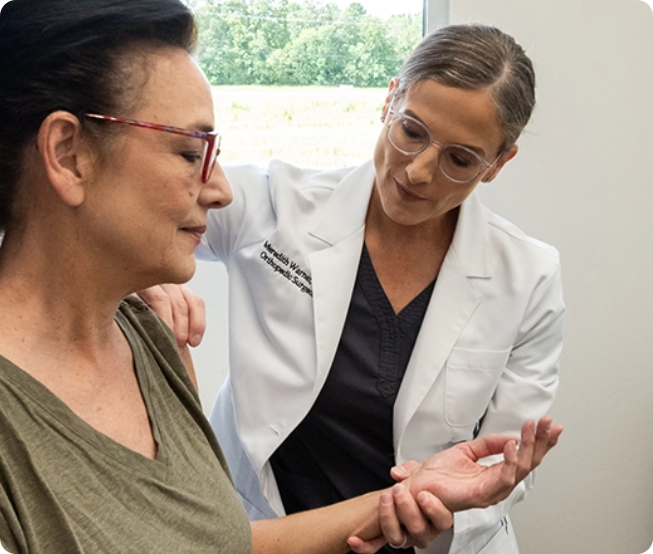
I still see patients in clinic. I still review imaging. I still perform surgery when it’s truly necessary.
That part of my career hasn’t changed.
So when people ask why I built Well Theory, the assumption is often that I must have lost faith in medicine.
The truth is the opposite.
I built Well Theory because practicing medicine day after day, year after year made the gaps impossible to ignore.
Modern medicine is very good at fixing structure. But it is far less effective at supporting the systems that determine whether structure breaks down in the first place and how well the body recovers once it does.
That realization didn’t come from theory. It came from thousands of patient conversations.
Why an Orthopedic Surgeon Would Build a Wellness Brand
On the surface, a surgeon launching a wellness company can feel contradictory.
In reality, it was a natural extension of what I was already seeing in my practice.
Patients weren’t arriving at surgical conversations because surgery was the best option. They were arriving there because foundational systems had been neglected for years:
Chronic inflammation
Poor sleep quality
Nervous system overload
Limited recovery capacity
Lifestyle patterns that quietly accelerated joint breakdown
By the time imaging showed degeneration, pain had often been present — and escalating — long before structural damage fully explained it.
Over time, I realized pain wasn’t coming from a single source.
It was coming from multiple systems being out of balance at once.
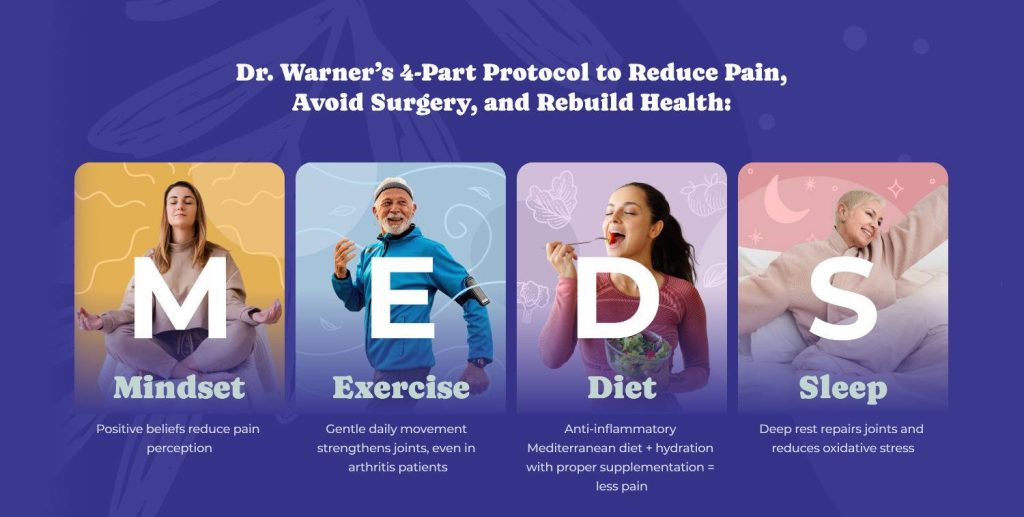
That’s what led me to formalize the framework I use with patients into what I call the MEDS protocol — a surgeon-formulated wellness framework that is simple, repeatable way to address the drivers of pain that surgery alone cannot fix.
MEDS protocol explained:
M — Mindset
Healing begins with belief and agency. Patients who understand that their daily choices matter — and that their diagnosis is not a dead end — recover better. Chronic pain is amplified by fear, stress, and helplessness. Mindset sets the tone for healing.
E — Exercise
Gentle, consistent movement restores joint lubrication, strengthens surrounding muscles, improves circulation, and reduces inflammation. This isn’t about extreme workouts — it’s about daily motion that tells the body it is safe to move again.
D — Diet
A Mediterranean-style, anti-inflammatory diet provides the raw materials the body needs to repair tissue and calm inflammation. Food is information. What you eat daily influences pain signaling, oxidative stress, and recovery capacity.
S — Sleep
Sleep is where repair happens. Without deep, consistent sleep, inflammation rises, pain sensitivity increases, and healing stalls. Optimizing sleep is not optional — it’s foundational.
Download Free Guide: A Natural Plan for Arthritis Symptom Relief
Surgery can correct structure.
It cannot rebuild daily habits.
It cannot regulate inflammation or restore recovery rhythms.
So while surgery wasn’t always the problem, it also wasn’t always the solution.
Well Theory was built to support the MEDS framework outside the exam room — giving patients the tools, education, and consistency needed to influence pain, recovery, and long-term joint health every single day.
Surgery Fixes Structure. It Doesn’t Fix Systems.
As a surgeon, I’m trained to identify and correct structural problems.
But over time, a pattern became clear.
Many patients sitting in front of me didn’t actually need better surgery. They needed better support before things reached that point. They needed a inflammation and joint healing strategy that would work.
They were:
Chronically inflamed
Underslept
Running on stress hormones
Experiencing amplified pain signaling
Recovering poorly from even minor injuries
Surgery can repair cartilage, bone, and alignment.
It cannot:
Regulate inflammatory pathways
Restore sleep architecture
Calm an overactive nervous system
Improve mitochondrial efficiency
Reduce oxidative stress
Yet those factors play a central role in how pain is experienced — and whether degeneration accelerates or stabilizes.
Ignoring systems while chasing structure is one of the biggest reasons people stay stuck.
What I Couldn’t Prescribe Was Often What Patients Needed Most
In a traditional medical setting, options are limited.
I can prescribe medications.
I can recommend injections.
I can suggest surgery.
What I can’t easily prescribe are the daily, cumulative inputs that allow the body to heal:
Nutrients that regulate inflammation rather than simply suppressing it
Compounds that support nerve signaling and pain modulation
Ingredients that improve sleep depth and recovery quality
Metabolic support that helps tissue tolerate stress and repair more effectively
Yet these are often the very factors that determine whether someone stabilizes — or continues to decline.
I watched patients do everything “right” medically and still struggle.
And I watched others improve once their foundational systems were supported consistently.
That disconnect mattered.
Well Theory was created as a way to bridge that gap — not with trends or quick fixes, but with tools grounded in physiology and clinical reality.
Every product was developed based on what I saw missing in patient care: clean, targeted support for inflammation, sleep, nerve health, and recovery — formulated to be used daily, over time, the way biology actually responds.
Well Theory supplements are third-party tested, made in the United States, and built with high-quality, clinically studied ingredients — not proprietary blends or exaggerated doses. The goal has never been to overwhelm the body, but to support it consistently and safely.
Just as importantly, Well Theory was designed to be educational, not transactional.
Through educational seminars, supplement education, and my book Bone on Bone, I aim to help people understand why something works — so they can make informed decisions rather than chasing the next promise.
This brand reflects the same philosophy I bring to my clinic:
Support the systems that drive pain.
Respect the pace of healing.
And give the body the tools it needs consistently to do what it already knows how to do.
Not Instead of Medicine — Alongside It
Well Theory was never meant to replace medical care. It was designed to live alongside it.
To support the systems that influence pain, recovery, and long-term joint health:
- Inflammation
- Oxidative stress
- Sleep quality
- Nervous system regulation
- Metabolic health
These are not quick fixes.
They are slow, cumulative processes.
But they are also the difference between chasing symptoms and supporting healing.
Why Consistency Matters More Than Intensity
One of the most common misconceptions about supplements — and natural medicine in general — is that they should feel dramatic.
In reality, the most effective changes often feel quiet.
They require consistency.
They require patience.
They require understanding that biology doesn’t operate on marketing timelines.
This is why I guide patients to think in 60–90 day windows, not overnight solutions.
Healing is rarely loud.
But it is reliable when the right conditions are in place.
Who Well Theory Is For
Well Theory was built for people who:
- Want to understand why something works
- Are willing to be consistent rather than reactive
- Prefer long-term stability over short-term relief
- Want to support their body instead of constantly overriding it
If you’re here, it likely means you’re looking for something that makes sense — not something that promises too much.
That’s intentional.
This work is about supporting the body’s ability to do what it already knows how to do, given the right tools and enough time.
And that’s a philosophy I bring to both my clinic and this brand.
Frequently Asked Questions About Well Theory
Why would a surgeon recommend supplements?
Because many contributors to pain and poor recovery are not structural and cannot be corrected surgically.
Is Well Theory meant to replace medical care?
No. It is designed to complement medical care by supporting systems that influence pain, healing, and long-term joint health.
Who is Well Theory for?
It’s for people who want to understand their health, stay consistent, and take a long-term approach rather than relying on short-term fixes.
Healing Redefined by Dr. Meredith Warner
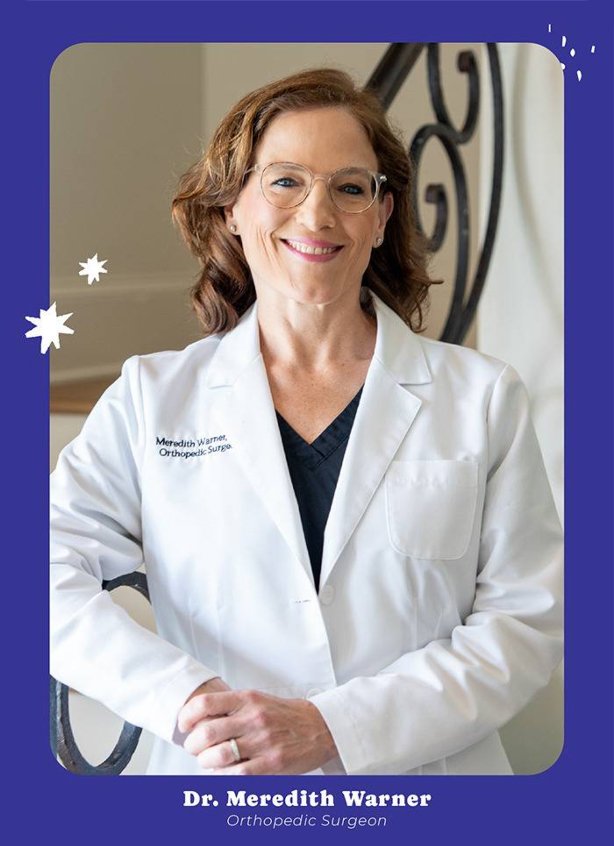
Dr. Meredith Warner is the creator of Well Theory and The Healing Sole. She is a board-certified Orthopedic Surgeon and Air Force Veteran.
She is on a mission to disrupt traditional medicine practices and promote betterment physically, spiritually and mentally to many more people. She advocates for wellness and functional health over big pharma so more people can age vibrantly with more function and less pain.
At Well Theory, Our surgeon-designed products are FDA Registered and formulated to help people:
- Manage the symptoms of musculoskeletal pain
- Recover vibrantly from orthopedic related surgeries
- Fill the gaps in our daily diets
- Manage pain associated with inflammation